For effective fire fighting on board a ship, thorough knowledge of the classification of fires is required.
Fires are classified into six types depending on the material, which acts as fuel to start a fire as per the international Organisation for Standardization.
As per National Fire Protection Association (NFPA). This is followed in the United States of America. They are:
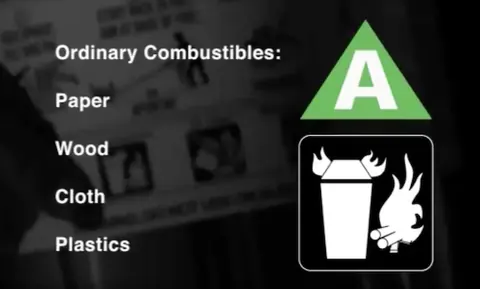
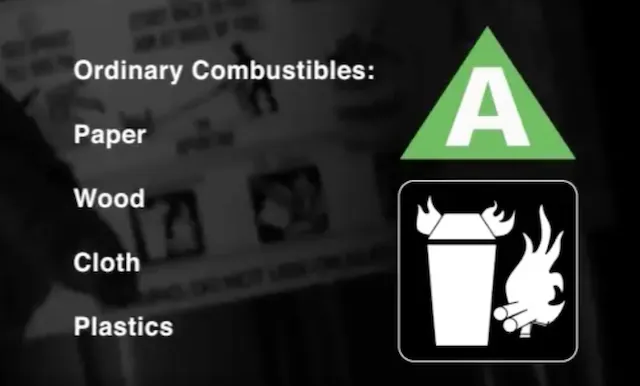
Class A: Result from ordinary combustible materials, including wood, cloth, paper, and many plastics.
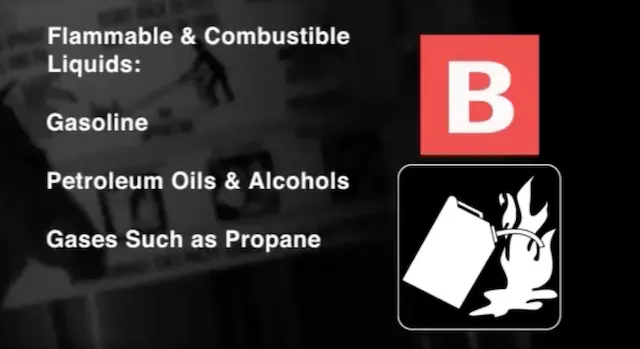
Class B: Burn inflammable liquids, combustible liquids, petroleum greases, oils, alcohols, and flammable gases.
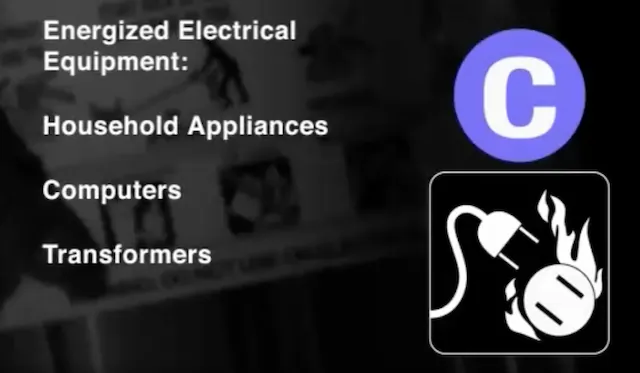
Class C: Involve energized electrical equipment.
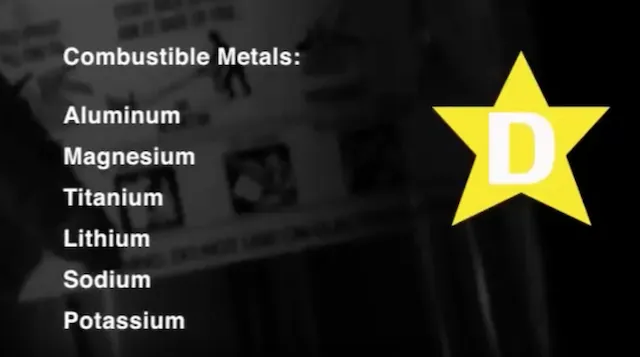
Class D: Fires in combustible metals, such as magnesium, titanium, zirconium, sodium, lithium, and potassium.
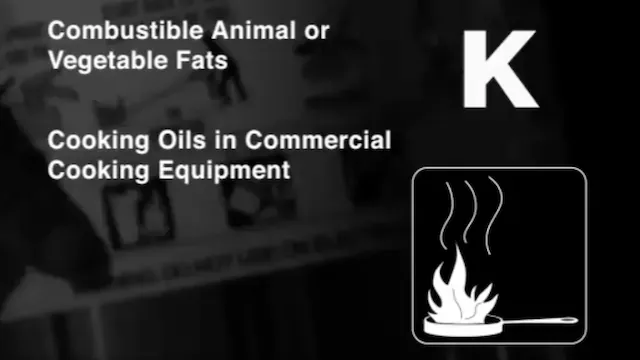
Class K: Fires in cooking appliances that involve combustible cooking media, such as vegetable or animal oils and fats.
In India ISO standards are followed. They are:
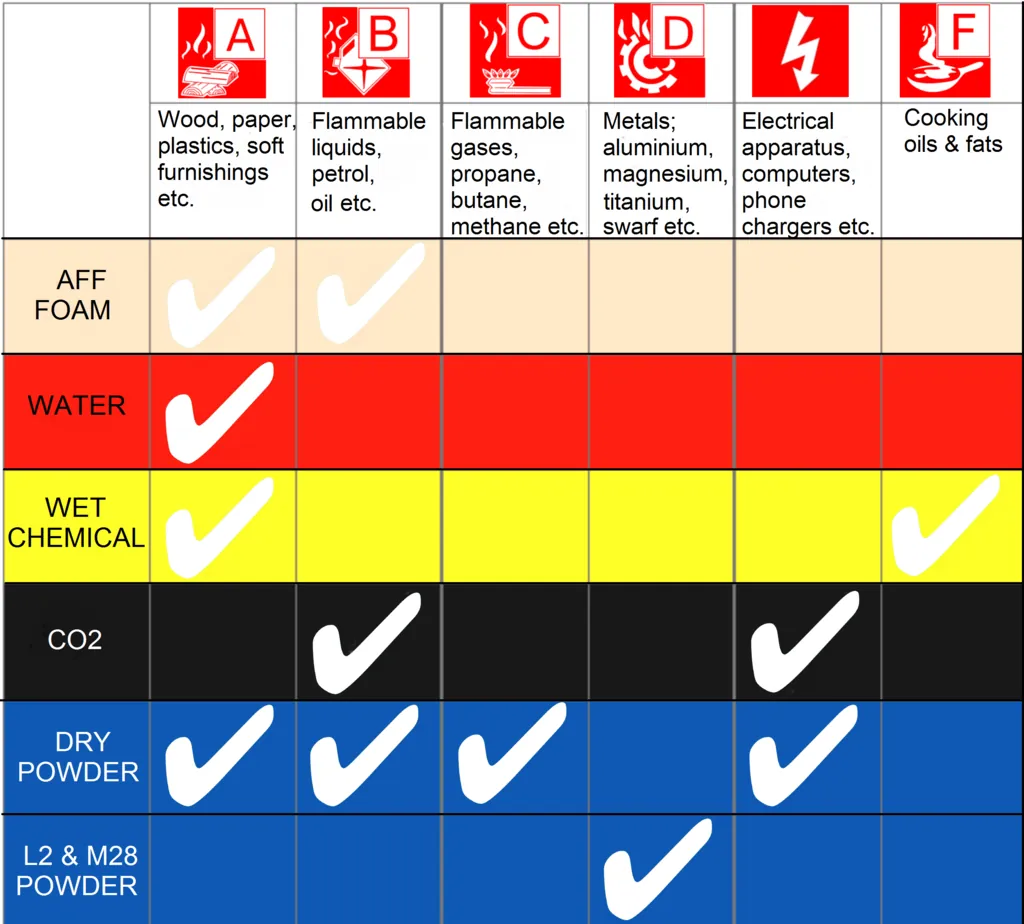
Class A fires – Combustible materials: caused by flammable solids, such as wood, paper, and fabric
Class B fires – Flammable liquids: such as petrol, turpentine or paint
Class C fires – Flammable gases: like hydrogen, butane or methane
Class D fires – Combustible metals: chemicals such as magnesium, aluminium or potassiumElectrical fires – Electrical equipment: once the electrical item is removed, the fire changes class
Class F fires – Cooking oils: typically a chip-pan fire.
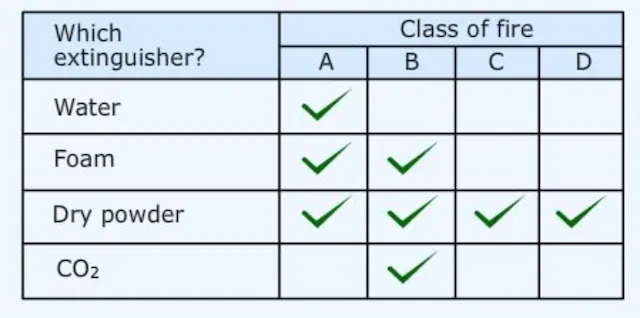
There are six different classes of fire that can be prevented by using a different fire extinguisher.
Discussion & Feedback
0Have a doubt, memory trick, or exam update? Share your insights with fellow mariners.